Kitchen Cabinet Replacement Sydney: When Should You Replace Your Cabinets?
Your kitchen cabinets play an important role in the appearance, storage and functionality of your kitchen. Over time, however, cabinets can become worn, damaged, outdated or difficult to use. For Sydney homeowners, replacing kitchen cabinets can be a practical way to improve an existing kitchen without necessarily changing every part of the room. But how do you know when cabinet replacement is the right choice? Understanding the common warning signs can help you decide whether your kitchen needs repairs, a cabinet upgrade or completely new joinery.
When Should You Replace Kitchen Cabinets?
Kitchen cabinets may need replacement when they have extensive damage, poor functionality, outdated layouts or significant wear that cannot be effectively repaired. Minor scratches, loose handles and small hardware problems can often be fixed, but cabinets with water damage, broken structures, warped panels or deteriorating materials may require replacement. If your existing cabinets no longer provide enough storage or do not suit the way you use your kitchen, custom replacement cabinetry can also offer a more practical solution.
1. Your Kitchen Cabinets Are Damaged
Visible damage is one of the clearest signs that kitchen cabinets may need replacing. Cracked doors, broken hinges, damaged cabinet boxes, swollen panels and loose shelves can affect both the appearance and usability of your kitchen. While isolated damage may be repairable, widespread deterioration can make repeated repairs less practical. Replacing damaged cabinets allows you to address structural problems while creating a more consistent and functional kitchen design.
2. You Notice Water Damage or Swelling
Kitchen cabinets are regularly exposed to moisture from sinks, dishwashers, plumbing fixtures and everyday cooking activities. Water can cause certain cabinet materials to swell, warp, peel or deteriorate. If moisture damage has affected the cabinet structure, simply replacing a door may not solve the underlying problem. Persistent swelling, soft cabinet panels or signs of water deterioration should be assessed before deciding whether individual components can be repaired or complete cabinet replacement is more appropriate.
3. Your Cabinets No Longer Provide Enough Storage
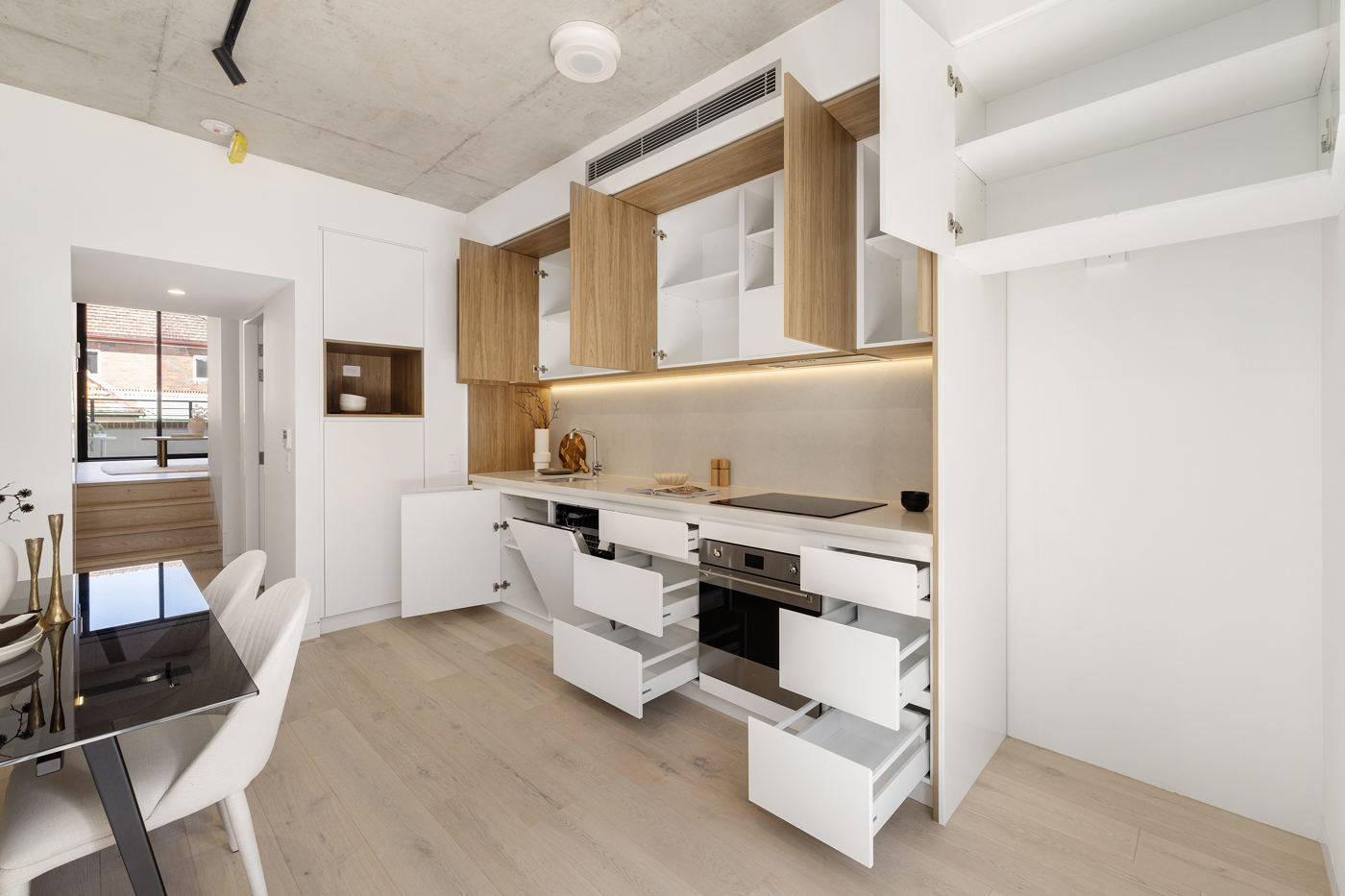
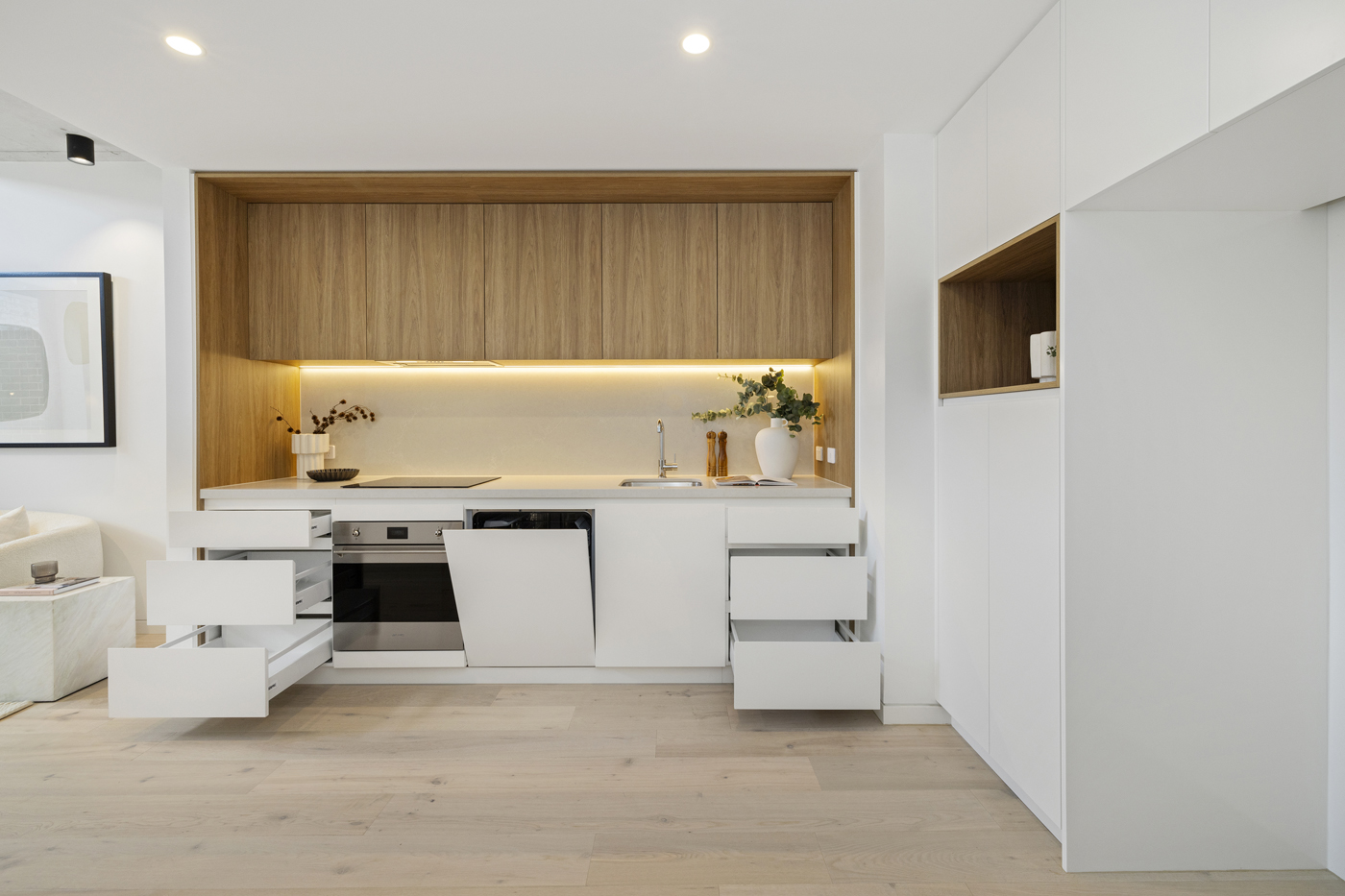
A kitchen can become difficult to use when there is not enough practical storage. If benchtops are constantly covered with appliances, pantry items or cooking equipment, your existing cabinet layout may not be making effective use of the available space. Custom kitchen cabinets can be designed around your specific storage requirements, including deep drawers, pantry cabinets, corner solutions, appliance storage and dedicated areas for frequently used items.
4. The Cabinet Layout Is No Longer Practical
Older kitchens are not always designed around modern cooking habits. You may have cabinets positioned too far from your preparation areas, awkward corner cupboards or insufficient storage near the appliances you use most. Replacing the cabinetry provides an opportunity to rethink the layout and create a more efficient kitchen workflow. A well-planned design can improve access to storage while making preparation, cooking and cleaning more convenient.
5. Cabinet Doors and Drawers Are Difficult to Use
Doors that no longer close properly, drawers that stick and hinges that repeatedly fail can make everyday kitchen tasks frustrating. Hardware can sometimes be replaced, but persistent problems may indicate that the cabinetry itself has reached the end of its useful life. New cabinetry can incorporate modern drawer runners, hinges, handles and storage systems designed for smoother and more convenient everyday use.
6. Your Kitchen Looks Outdated
Kitchen design trends and homeowner preferences change over time. If your cabinets have an old-fashioned finish, worn doors or a design that no longer matches the rest of your home, replacement cabinetry can give the room a completely different appearance. Custom joinery provides flexibility when choosing cabinet colours, finishes, door profiles, handles and storage configurations, allowing the new kitchen to reflect your preferred style.
7. You Are Renovating the Rest of the Kitchen
If you are already planning to replace your benchtops, splashback, appliances or flooring, it may be worth assessing the condition of the cabinetry at the same time. Installing new finishes around old, deteriorating cabinets may limit the overall result. Coordinating cabinetry with the rest of the renovation allows the kitchen to have a more consistent appearance and can make it easier to plan appliance dimensions, benchtop heights and storage requirements.
Can Kitchen Cabinets Be Repaired Instead of Replaced?
Not every damaged kitchen cabinet needs to be replaced. Minor scratches, loose handles, worn hinges and isolated door problems can often be addressed through repairs or replacement components. However, extensive water damage, multiple damaged cabinets, warped panels, deteriorating cabinet boxes or an impractical layout may make replacement a more suitable option. The condition of the cabinetry and the cost of repeated repairs should both be considered when making a decision.
Kitchen Cabinet Replacement vs Cabinet Refacing
Cabinet replacement involves removing existing cabinetry and installing new cabinets, while refacing generally focuses on updating visible cabinet surfaces such as doors and drawer fronts. Refacing can refresh the appearance of cabinets when the existing structures remain sound. Replacement provides greater flexibility because the cabinet layout, storage configuration, dimensions and internal components can also be redesigned. The appropriate option depends on the condition of the existing cabinets and how much you want to change.
How Much Does Kitchen Cabinet Replacement Cost in Sydney?
The cost of replacing kitchen cabinets in Sydney depends on the size of the kitchen, cabinet configuration, materials, finishes, hardware, storage accessories and installation requirements. Additional work such as removing existing cabinetry, modifying plumbing or electrical services and changing the kitchen layout can also affect the overall project cost. Rather than relying on a single average price, homeowners should request a detailed quotation based on their actual kitchen dimensions and design requirements.
Choosing premium finishes, specialised storage systems or more complex cabinetry can increase the investment, while retaining the existing layout and selecting practical materials may help manage the budget. A detailed design and quotation can make the inclusions and expected costs much clearer before work begins.
Benefits of Replacing Kitchen Cabinets
Replacing kitchen cabinets can provide several benefits beyond improving the appearance of the room. New cabinetry can increase usable storage, improve organisation, accommodate modern appliances and make better use of previously wasted areas. It can also provide an opportunity to introduce durable materials, modern hardware and a finish that complements the overall style of your Sydney home.
For homeowners who want a kitchen that is designed around their lifestyle, custom cabinetry can provide greater flexibility than standard cabinet sizes. Every cabinet can be planned around available space, appliance dimensions and specific storage requirements.
How to Plan a Kitchen Cabinet Replacement
Start by assessing the condition of your existing cabinets and identifying the problems you want the new design to solve. Make a list of storage requirements, appliances and features you would like to include. Consider how you currently use the kitchen and identify areas where the existing layout causes inconvenience.
Next, establish a realistic budget and discuss your requirements with an experienced joinery professional. Measurements, cabinet materials, finishes, hardware and installation should all be considered before the final design is approved. Planning these details early can help reduce changes during manufacturing and installation.
Why Choose Custom Kitchen Cabinets in Sydney?
Custom kitchen cabinets are designed specifically for your available space rather than being restricted to standard dimensions. This can be particularly useful for Sydney homes with unusual wall shapes, compact kitchens, older properties or specific storage requirements. Custom joinery can incorporate tailored drawers, pantry storage, corner solutions, appliance cabinets and other features that help make the kitchen more practical.
A carefully designed replacement can also coordinate cabinet finishes, benchtops, appliances and other kitchen elements to create a cohesive result. The goal is to combine appearance with practical storage and a layout that works for everyday use.
Get Custom Kitchen Cabinet Replacement in Sydney
If your existing kitchen cabinets are damaged, outdated, difficult to use or no longer provide the storage you need, replacement cabinetry may be worth considering. ICAD Joinery provides custom joinery solutions designed around individual kitchen layouts, storage requirements and preferred finishes.
By assessing your existing kitchen and discussing your goals with a professional joinery team, you can determine whether repairs, refacing or complete cabinet replacement is the most suitable approach for your home. A detailed design and quotation can then help you plan your kitchen upgrade with greater confidence.
Frequently Asked Questions About Kitchen Cabinet Replacement
How do I know if my kitchen cabinets need replacing?
Signs that cabinets may need replacement include extensive water damage, warped panels, broken cabinet structures, persistent drawer problems, inadequate storage and an impractical layout. If multiple cabinets require repairs or the existing design no longer suits your needs, replacing the cabinetry may provide a more effective long-term solution.
Is it cheaper to replace or reface kitchen cabinets?
Refacing can be less expensive when the existing cabinet structures are in good condition and you mainly want to change their appearance. Replacement generally involves a larger investment but provides the opportunity to change the cabinet layout, storage configuration, materials and internal components. The right option depends on the condition of your current cabinetry and the extent of the renovation.
How long do kitchen cabinets usually last?
The lifespan of kitchen cabinets varies according to construction quality, materials, installation, moisture exposure and everyday use. Well-maintained cabinetry can remain functional for many years, but visible deterioration, repeated repairs or changing storage requirements can make replacement worthwhile before the cabinets completely fail.
Can I replace kitchen cabinets without changing the whole kitchen?
Yes. Cabinet replacement can be planned as part of a more targeted kitchen upgrade. Depending on the existing layout and condition of other components, homeowners may retain suitable flooring, appliances, plumbing positions or other features while replacing the cabinetry. A professional assessment can help determine which existing elements can remain.



 Our Recent Projects